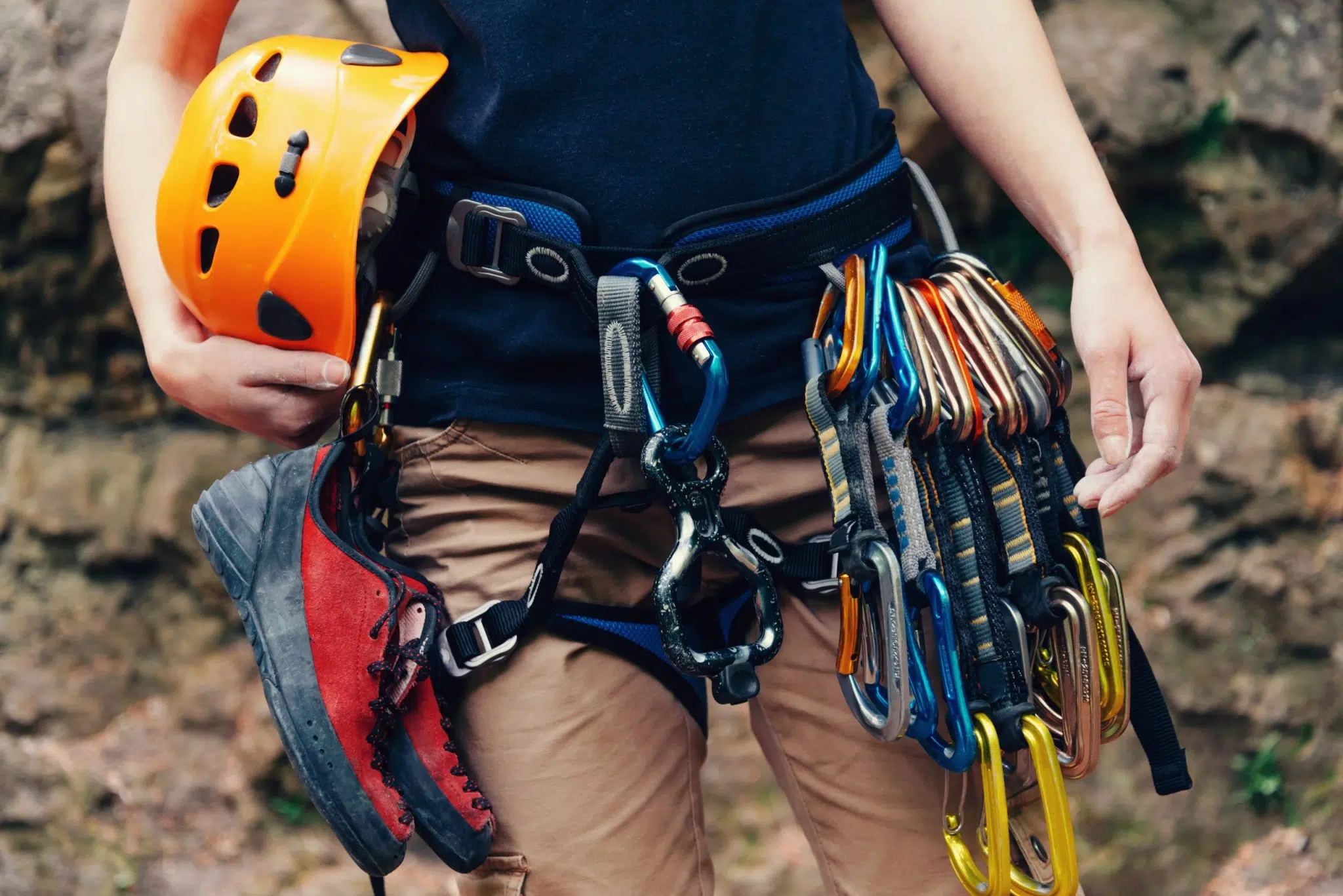
Whether you’re scaling towering mountain faces or tackling local crags, wearing a climbing helmet is an absolute must. It’s your trusty companion against potential head injuries, from minor concussions to severe trauma. But not all helmets are created equal—the best ones do more than just protect you from falling rocks or ice. They also provide crucial side impact protection for those unexpected head-first encounters with the climbing wall.
In today’s article, we’ll explore options tailored to different climbing styles, ensuring you find the perfect helmet that balances comfort, weight, ventilation, and durability, all within your budget. So, let’s dive in and find the helmet that will keep you safe and climbing high!
Factors Considered in Selecting Climbing Helmets
When selecting the climbing helmets to spotlight in the article, several important factors were taken into account. We wanted to ensure that the chosen products offer the best combination of safety, technology, comfort, and protection for climbers of all levels. The following factors were considered before we made our choice:
- Safety Features: Including impact protection against falling rocks or ice, side impact protection for scenarios like unexpected headfirst into the climbing wall, and presence of advanced safety technologies such as MIPS (Multi-directional Impact Protection System)
- Comfort and Fit: Including balance between comfort and snug fit to ensure the helmet stays in place during climbs, and adjustable and ergonomic design for a personalized fit
- Weight: Lightweight construction for reduced burden during climbs without compromising safety
- Ventilation: Effective ventilation systems to prevent overheating during climbs
- Durability: Long-lasting materials and construction to withstand the rigors of climbing
- Versatility: Suitability across different styles of climbing to cater to the diverse needs of climbers
By considering these factors, the spotlighted climbing helmets were chosen that cater to the diverse needs of climbers while prioritizing safety and functionality.
Helmets That Made It To Our Favorites List
Without wasting any further time, let us show you our top picks:

01. Best Overall – Black Diamond Vision MIPS
The Black Diamond Vision MIPS climbing helmet is engineered for optimal safety and comfort, making it a top choice for climbers across various disciplines. It features a robust construction combining EPP (expanded polypropylene) foam, EPS (expanded polystyrene) foam puck, and a tough ABS shell. This blend ensures durability and impact resistance, crucial for protection against falling debris and side impacts.
| Features | ||
|---|---|---|
The Black Diamond Vision MIPS climbing helmet is engineered for optimal safety and comfort. This makes it a top choice for climbers across various disciplines. | ||
It features a robust construction combining EPP (expanded polypropylene) foam, EPS (expanded polystyrene) foam puck, and a tough ABS shell. | ||
This blend ensures durability and impact resistance, crucial for protection against falling debris and side impacts. | ||
The helmet is equipped with MIPS (Multidirectional Impact Protection System) technology, which adds an extra layer of safety by reducing the rotational forces on the brain in the event of an angled collision. | ||
The Vision MIPS also boasts improved side and back coverage, meeting the proposed UIAA safety standards, which heightens its protective capabilities. | ||
Pro
- Enhanced Safety Features: The incorporation of MIPS technology and the combination of EPP and EPS foams provide superior protection against both direct and rotational impacts.
- Comfort and Fit: The helmet is designed to fit snugly and comfortably, with adjustable tension bars that allow for a personalized fit. It is also deep enough to offer full coverage without feeling claustrophobic.
- Ventilation: With 13 large vents strategically placed around the helmet, it offers excellent airflow. This makes it suitable for use in warm weather and intense climbing activities.
- Versatility: Thanks to its robust construction and features like headlamp clips, the Vision MIPS is suitable for a wide range of climbing activities from alpine to ice climbing.
Cons
- Weight: Weighing slightly more than some of the lightest foam helmets on the market, some users may find it a bit heavier, although it is still lighter than many hardshell options.
- Cost: The inclusion of advanced MIPS technology and high-quality materials make this helmet a more expensive option compared to some other models.

02. Best Budget – Black Diamond Half Dome
The Black Diamond Half Dome scores well in terms of durability and cost-effectiveness. This makes it a solid choice for those new to climbing or anyone looking for a budget-friendly option. While it may not compete with lighter, more ventilated helmets, its protective features and price point make it a popular choice among climbers.
| Features | ||
|---|---|---|
Adjustable Rear Dial | Ensures a snug fit, accommodating a wide range of head sizes. | |
Headlamp Clips | Built-in clips allow for easy attachment of a headlamp, ideal for climbing in low light conditions. | |
EPS Impact Foam and Durable ABS Shell: | Offers enhanced impact resistance, crucial for protecting against falling debris. | |
Pro
- Affordability: Priced competitively, making it accessible for beginners or those needing a reliable but inexpensive option.
- Durability: Known for its long-lasting ABS shell, it can withstand considerable wear and tear.
- Adjustability: Features a rear dial that allows for quick and easy adjustments, even while wearing gloves.
- Headlamp Compatibility: Equipped with integrated clips for securing headlamps, enhancing versatility for various climbing conditions.
Cons
- Weight: At 12.7 ounces, it is heavier than many foam helmets, which might be noticeable after long periods of wear.
- Comfort: Less padding compared to other models, which might affect comfort during extended use.
- Ventilation: Limited ventilation can lead to discomfort in warmer conditions or during strenuous climbs.

03. Best Protection – Petzl Meteor
The Petzl Meteor is a versatile helmet designed for climbing, mountaineering, and ski touring. It features In-Mold construction with an expanded polystyrene (EPS) foam liner inside a lightweight polycarbonate shell, ensuring a low-profile design that offers substantial protection. The helmet is equipped with large ventilation holes that provide excellent airflow, making it comfortable for use in any season. Additionally, it meets the Petzl Top and Side Protection standards, offering optimal protection against impacts from various angles.
| Features | ||
|---|---|---|
The Petzl Meteor scores highly in terms of weight, versatility, and comfort, making it an excellent choice for climbers and ski tourers alike. | ||
Its design and construction provide significant protection, meeting rigorous safety standards. | ||
While it has some minor drawbacks, such as the magnetic buckle system, its advantages in terms of comfort and functionality generally outweigh these issues. | ||
The helmet’s ability to accommodate both climbing and ski touring gear, such as goggles and headlamps, adds to its appeal as a multi-use helmet that offers good value for its price. | ||
Pro
- Lightweight Design: Weighing just around 220g to 240g, depending on the model, the Meteor is one of the lighter helmets on the market, making it easy to wear for extended periods without discomfort.
- Versatility: Certified for both climbing and ski touring, the Meteor is equipped with features like integrated ski goggle compatibility and headlamp clips, making it suitable for a variety of outdoor activities.
- Ventilation: With its large vents, the Meteor provides exceptional airflow, which is particularly beneficial during strenuous climbs or in warm weather.
- Adjustability: Features a semi-rigid, easily adjustable headband that can be manipulated even with gloves on, ensuring a snug and comfortable fit.
Cons
- Magnetic Buckle: Some users find the magnetic buckle challenging to operate, especially with gloves on, as it can be fiddly and may not align easily.
- Color Options: While this is a minor issue, some users have expressed dissatisfaction with the available color choices, finding them less appealing.

04.Best Comfort – Petzl Sirocco
The Petzl Sirocco is a top-tier climbing helmet that excels in lightweight comfort and advanced protection. Its design and features make it suitable for a wide range of climbing activities, from sport climbing to mountaineering. Despite its higher price point and some durability concerns, its performance in terms of comfort and protection makes it a favored choice among climbers. The helmet’s ability to integrate seamlessly with additional climbing gear, like headlamps and face shields, further solidifies its position as a versatile piece.
| Features | ||
|---|---|---|
The Petzl Sirocco stands out with its innovative design, combining expanded polypropylene and expanded polystyrene with a polycarbonate outer layer for a stylish and functional climbing helmet. | ||
Key features include a minimalist interior harness, adjustable with Petzl’s magnetic quick release clips, and a simple slide buckle. | ||
Large ventilation channels and foam padding at strategic points ensure comfort during extended use. | ||
The helmet is compatible with the Petzl Vizion face shield for ice climbing and includes front and rear attachments for head torches | ||
Pro
- Lightweight Design: Weighing approximately 170 grams, the Sirocco is exceptionally light, enhancing comfort and reducing neck strain during long climbs.
- Enhanced Protection: The strategic use of materials provides robust protection against both top and lateral impacts, crucial for climbing safety.
- Ventilation: Ample venting helps keep the climber cool, which is particularly beneficial in warm weather or during strenuous climbs.
- Adjustability and Fit: Features like the magnetic buckle and adjustable cradle ensure a secure and comfortable fit, which can be easily managed even with gloves.
- Aesthetic Appeal: Available in multiple color combinations, the helmet is designed to be as stylish as it is functional.
Cons
- Durability Concerns: The exposed foam areas, while lightweight, are susceptible to dings and scratches, which may compromise the helmet’s longevity.
- Cost: High-quality materials and advanced features make the Sirocco a more expensive option, which might not be ideal for all budgets.
- Magnetic Buckle Issues: The magnetic buckle can attract dirt and may require regular cleaning to maintain its functionality.
Conclusion
Exploring the cutting-edge advancements in climbing helmet technology reveals much about the trajectory of safety equipment in outdoor sports. The aforementioned helmets, from the versatile Black Diamond Vision MIPS to the Petzl Sirocco, underscore a trend towards greater protection, comfort, and adaptability.
Each helmet discussed brings to the table unique features tailored to different aspects of climbing and outdoor activities. Therefore, the importance of selecting the right helmet – one that aligns with the specific requirements of the user’s preferred climbing activities – cannot be understated, highlighting the critical role of informed choices in climbing safety.
Faq
Why is wearing a helmet crucial for safety?
Helmets are essential as they protect against head injuries. In the event of a fall or collision, a helmet can prevent severe brain damage or even death, making them a critical piece of safety equipment.
What are some key safety tips for helmet use?
When using a helmet, it’s important to:
- Lead by example and wear a helmet yourself.
- Replace your helmet after any significant impact or crash.
- Encourage children to wear helmets by discussing its importance and allowing them to choose helmets they like aesthetically.
- Ensure the helmet fits properly for maximum protection.
What are some potential drawbacks of wearing a helmet?
Wearing helmets for extended periods can lead to discomfort such as sweating, which may cause skin rashes. The friction from the helmet on the forehead might result in skin infections, soreness, or dermatitis. Additionally, helmets that fully cover the face can restrict breathing, particularly around the throat and mouth area.
Accordion How many carabiners are typically needed by a climber?
A climber generally needs between 20 to 30 non-locking carabiners. The exact number may vary depending on the amount and type of other gear like nuts, cams, and quickdraws you carry, as well as your personal organization preferences. Most climbers opt for small to medium-sized wiregate carabiners.