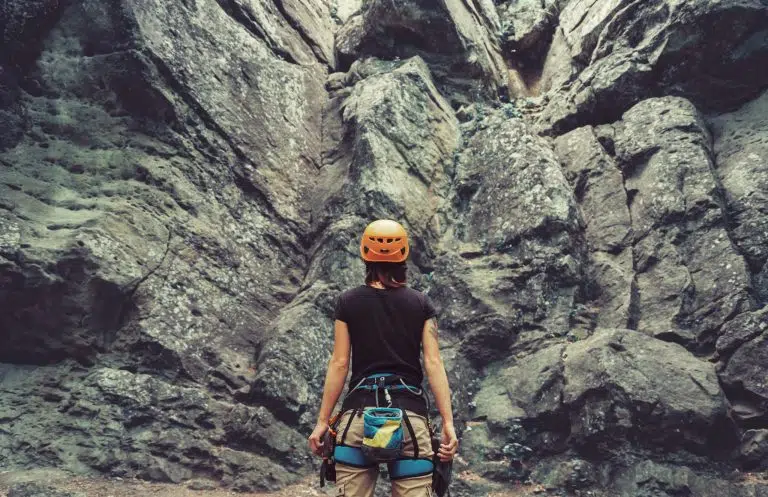
A climbing harness is an essential piece of gear for any climber, acting as the literal lifeline between the climber and the mountain. Choosing the best climbing harness involves understanding your climbing style and the specific features that will support your safety and comfort. With numerous options available on the market, from rock climbing harnesses to harnesses for more specialized climbing, selecting the right one can be a complex task. It is critical to find a harness that not only fits well but also matches the climber’s technical requirements and preferences.
This guide is designed to navigate through the maze of options, highlighting the key components of a climbing harness, and how to identify the right harness for your climbing adventures. It will delve into the importance of safety considerations and testing, provide maintenance and replacement tips. We will conclude with our top recommendations to ensure you invest in the best climbing harness for your needs. Ready? Let’s go!
1. Understanding Climbing Harness Components
To select the best climbing harness for your needs, it’s essential to understand the various components that make up a harness. Each part plays a crucial role in ensuring safety, comfort, and functionality during climbing activities. Here, we delve into the primary components of a climbing harness: the waist belt, leg loops, belay loop, gear loops, and haul loop.
Waist Belt
The waist belt, sometimes referred to as the swami belt, wraps around the climber’s waist. It is designed to offer a blend of comfort and minimal weight. The waist belt is usually padded and sewn for enhanced comfort. It is especially vital for climbers who engage in prolonged activities such as big wall climbing. Some harnesses feature a no-frills waist belt with less padding to reduce weight, ideal for alpine climbing. Adjustability is provided through one or two buckles, allowing climbers to achieve a secure and comfortable fit.
Leg Loops
Leg loops encase the climber’s upper thighs and are connected to the waist belt at the front via the belay loop and at the back with adjustable webbing straps. These loops are padded for comfort and can be adjusted for a snug fit, ensuring they are neither too tight nor too loose. This adjustability is crucial for accommodating different clothing layers and maintaining freedom of movement during climbs. The leg loops, in conjunction with the waist belt, distribute the climber’s weight between the legs and pelvis, minimizing discomfort in the event of a fall.
Belly Loop
The belay loop is a critical component of the climbing harness, acting as the main connection point between the climber and their climbing gear. It is the strongest part of the harness, made from durable nylon or polyester and designed to withstand the forces of climbing, including severe falls. The belay loop connects the waist belt to the leg loops and is used for attaching a belay device, enabling climbers to belay or rappel safely. Despite its strength, regular inspection for wear and damage is essential, and harnesses with compromised belay loops should be retired.
Gear Loops
Gear loops are attached to the waist belt and serve as storage for climbing equipment such as quickdraws, cams, and nuts. These loops can be made from fabric, plastic tubing, or molded plastic, with the choice of material affecting the loop’s stiffness and ease of gear access. Climbers typically prefer harnesses with four gear loops for ample storage space, though the number of loops can vary based on the harness’s intended use. It’s important to note that gear loops are not designed to bear loads and should not be used as attachment points for safety.
Haul Loop
Located at the back of the waist belt, the haul loop is used for carrying additional gear such as a second rope or a light pack. While some haul loops are made full strength for durability, they are not intended for use as weight-bearing points. The primary purpose of the haul loop is for hauling equipment, and it should never be used for tying into or anchoring a climber. The design and strength of haul loops can vary across harness models, with some opting for minimal or no haul loops to reduce bulk.
2. Identifying the Right Harness for Your Climbing Style
Now that you know why you need harnesses, it’s time for you to get one. But how do you pick the one that is best for you? Well, keep reading to find out how.
Sport And Gym Climbing
For enthusiasts engaging in sport or gym climbing, where quick, dynamic movements and frequent falls are part of the routine, a specialized harness is essential. These harnesses are designed to be lightweight and streamlined, maximizing comfort and mobility during climbs. Key features typically include:
- Single Automatic or Double-Back Waistbelt Buckle: Ensures quick and easy adjustments, allowing climbers to get on and off the harness effortlessly
- Minimal Gear Loops (usually two): Sufficient for the limited gear needed, such as a few quickdraws
- Thin Belay Loop: Reduces weight, aiding in the climber’s agility and speed
- Fixed Elastic Leg Loops: These are lighter and provide a snug fit over thin clothing, which is typical in sport climbing environments
Traditional And Multi-Pitch Climbing
Climbers who prefer traditional (trad) or multi-pitch routes require a harness that can accommodate more equipment, and provide greater comfort during longer periods of hanging. For these styles, the harness must have:
- Adjustable Leg Loops with Buckles: To allow for flexibility and fitting over various clothing layers
- Multiple Gear Loops (four or more): Essential for managing a larger array of gear such as cams, nuts, and ropes
- Thick and Durable Padding: Offers increased comfort for extended periods, which is crucial for multi-pitch routes where climbers may spend considerable time suspended
- Extra Lumbar Padding: Supports the lower back, enhancing stability and comfort during prolonged climbs
Ice And Alpine Climbing
Harnesses suited for ice and alpine climbing are designed to perform under cold and harsh conditions. These harnesses share similarities with traditional climbing harnesses but have additional features tailored for icy environments:
- Adjustable Leg Loops with Buckles: Fully adjustable to fit over bulky winter clothing
- Gear Loops and Ice Clipper Slots: To securely hold ice screws and tools, with typically four or more gear loops
- Reinforced Tie-in Points: For increased durability against abrasive ice and rock surfaces
- Haul Loop: For attaching additional gear like a second rope, crucial for complex ascents
Mountaineering
Mountaineering demands a harness that is not only light and packable but also versatile enough to handle varied terrain. Key attributes include:
- Lightweight Material and Design: Minimizes the burden during long approaches and ensures it can be easily packed
- Fewer Gear Loops: To reduce weight and bulk, accommodating the essential gear without excess
- Full Adjustability in Waist and Leg Loops: Allows the harness to be worn over different layers of clothing
- Streamlined Profile: Ensures compatibility with backpacks and other mountaineering gear
Big Wall Climbing
Big wall climbing harnesses are the epitome of durability and comfort, designed for days-long climbs where climbers spend extensive periods hanging in their harnesses. These harnesses typically feature:
- Extra Wide Padding: Provides superior comfort during prolonged hangs
- Multiple Belay Loops and Gear Loops (six to ten): For organizing vast amounts of climbing gear and facilitating complex rigging
- Robust Construction: Ensures safety and reliability, which are critical given the extreme demands of big wall climbing
3. Our Top Recommended Climbing Harnesses
If you’re still confused about your ideal fit, here are a few recommendations that you can never go wrong with:
Best For Traditional And Multi-Pitch Climbing
For those of you who love traditional or multi-pitch climbing, this harness would be the best pick:

01. Black Diamond Momentum Harness
Big wall climbing harnesses are the epitome of durability and comfort, designed for days-long climbs where climbers spend extensive periods hanging in their harnesses. These harnesses typically feature:
| Features | ||
|---|---|---|
Features a speed-adjust waistbelt buckle for quick and easy adjustments | ||
Equipped with four pressure-molded gear loops for ample gear storage | ||
Best For ice And Alpine Climbing
When it comes to ice and alpine climbing, having the right harness can make a significant difference in safety and comfort. Here are some top recommendations for the best harness suited for ice and alpine climbing:

02.PETZL ADJAMA Unisex Harness
For ice and alpine climbing, PETZL ADJAMA harness is the best because:
| Features | ||
|---|---|---|
Adjustable Leg Loops with Buckles | The Petzl Adjama harness features adjustable leg loops with buckles, allowing for a customized fit over bulky winter clothing. | |
Gear Loops and Ice Clipper Slots | It is equipped with multiple gear loops and ice clipper slots to securely hold ice screws and tools, providing easy access to essential gear. | |
Reinforced Tie-in Points | The reinforced tie-in points on the Petzl Adjama harness enhance durability against abrasive ice and rock surfaces, ensuring reliable performance in challenging conditions. | |
Haul Loop | This harness includes a haul loop for attaching additional gear, such as a second rope, which is essential for complex ascents. | |

03. Black Diamond Couloir Harness
| Features | ||
|---|---|---|
Adjustable Leg Loops with Buckles | Offers adjustable leg loops with buckles, providing a versatile fit over winter clothing layers | |
Gear Loops and Ice Clipper Slots | Designed with gear loops and ice clipper slots to accommodate ice screws and tools, keeping them within easy reach during climbs | |
Reinforced Tie-in Points | The harness features reinforced tie-in points for increased durability and resistance to abrasive surfaces encountered in ice and alpine environments | |
Haul Loop | With a dedicated haul loop, the Black Diamond Couloir harness allows for the attachment of extra gear necessary for challenging ascents | |
Best Harnesses For Mountaineering
If you’re into mountaineering, keep these harnesses with you at all times:

04. Petzl Altitude Harness
Petzl Altitude harness is for you if you’re looking for features that go something like this
| Features | ||
|---|---|---|
Lightweight Material and Design | Designed to be lightweight and easily packable for mountaineering adventures | |
Minimalist Gear Loops | Features a minimalist gear loop design to reduce weight and bulk while still providing essential gear accommodation | |
Adjustable Waist and Leg Loops | Offers full adjustability in waist and leg loops to ensure a comfortable fit over varying clothing layers | |
Sleek Profile | Its sleek profile makes it compatible with backpacks and other mountaineering equipment | |
Best Harnesses For Big Wall Climbing
For big wall climbing, you can rely on these harnesses blindly:

05. Black Diamond Gun Harness
| Features | ||
|---|---|---|
Features extra-wide padding for extended hanging comfort | ||
Multiple belay loops and gear loops for efficient gear organization | ||
Durable construction for reliability during prolonged climbs | ||

06. Petzl CORAX Harness
| Features | ||
|---|---|---|
Designed for extended hanging comfort with wide, padded waistbelt and leg loops | ||
Multiple gear loops for organizing extensive climbing gear. | ||
Robust construction to withstand the demands of big wall climbing | ||

07. Metolius Safe Tech All-Around Harness
| Features | ||
|---|---|---|
Wide, supportive waist belt and leg loops for comfort during long hangs | ||
Ample gear loops for organizing climbing gear | ||
Robust construction for safety and reliability during extended climbs | ||
4. Safety Considerations and Testing
When it comes to selecting a climbing harness, safety considerations and thorough testing are paramount to ensure the harness not only fits properly but also holds up under the stress of climbing. The process involves understanding safety ratings, ensuring a proper fit, and conducting personal tests on the harness before making a final decision.
Safety Ratings
All climbing harnesses undergo rigorous testing to meet specific safety standards before they hit the market. These standards are set by independent organizations such as the Union Internationale des Associations d’Alpinisme (UIAA) and the European Committee for Standardization (EN). The UIAA 105 and EN12277 certifications are crucial indicators of a harness’s safety, as they ensure the harness has passed tests for strength, durability, and functionality.
Climbing harnesses are categorized based on their design and intended use, with Type C sit harnesses being the most common for waistbelt and leg loop combinations. These certifications are a testament to a harness’s ability to withstand extreme forces, far beyond what a climber would typically encounter.
Proper Fitting
A proper fit is essential for the safety and comfort of the climber. The waist belt should be snug around the midsection without restricting movement or breathing. It’s critical that the harness cannot be pulled down over the hips, ensuring it stays in place during a climb. Leg loops should also fit snugly but allow enough room to slide a hand between the leg and the loop, preventing circulation cutoff.
Buckles on the harness need to be correctly closed, with the webbing doubled back through the metal loops to secure the harness in place. This double-backing method is vital for preventing the harness from coming undone under weight. After adjusting the harness, there should be at least five finger-widths of tail left on the straps, which acts as a safety measure to keep the harness secure as buckles may loosen during a climb.
Testing Your Harness
Before finalizing your harness choice, it’s crucial to test it under conditions that mimic actual climbing scenarios. This includes performing a hang test, where you fully weight the harness for several minutes to assess comfort and fit adjustments. Most climbing gear stores offer areas where you can perform these tests.
Additionally, it’s important to inspect the harness for any signs of damage, such as fraying or tears, especially in critical areas like the belay loop, waist belt, leg loops, and buckles. Regular inspection of these components before and after climbs can help identify wear and tear that may compromise safety. Climbers should also pay attention to how the harness feels while hanging, rappelling, and taking on the rope, looking for any uncomfortable pinching or lack of support.
Maintenance And Replacement Tips
Maintaining your climbing harness is crucial for ensuring safety during your climbing adventures. A well-maintained harness can be the difference between a safe climb and a dangerous situation. This section will guide you through regular inspection, identifying signs of wear and tear, and knowing when it’s time to replace your harness.
Regular Inspection
Climbers should inspect their harness before or after each use. This routine check helps in identifying any unexpected degradation. It’s recommended to have your gear inspected every 12 months by a competent person. A comprehensive 14-point inspection can be conducted, which includes checking the waist belt straps, leg loop straps, and the condition of the safety stitching.
Special attention should be paid to the belay loop, the protective webbing on the tie-in points, and the condition of the waist and leg foams. Inspecting the equipment loops for any cuts, wear, or tears is also crucial. If any part of the harness is marked as “To monitor,” it should be regularly inspected.
Signs Of Wear And tear
A climbing harness showing signs of excessive wear, such as tears, fraying, or other damage to the belay loop or the structural webbing, should be retired immediately. Damage to the nonstructural padding and gear loops is not critical but should be noted. Before every climbing trip, check for rips or fraying in the webbing, excessive abrasion to the bar-tacks, damaged buckles, and discoloration of the webbing. If the harness has a wear indicator in the belay loop and it’s visible, it’s a clear sign that the harness needs to be retired
When To Replace Your Harness
All harnesses’ structural materials degrade over time. Therefore, any harness that is more than 7 years old should be retired, even if it has been properly stored and/or never used. For climbing professionals, such as mountain guides or those climbing full-time, it’s recommended to retire the harness after 1 year.
In the event of a major fall or impact, the harness should be retired immediately. If there are no visible signs of wear but the harness is old, consider its retirement based on the frequency of use and exposure to the elements. If unsure, err on the side of caution and replace the harness to ensure your safety.
Conclusion
As we wrap up, remember that a climbing harness is more than just gear; it is a lifeline that connects the climber to their passion, the mountain, and the safety systems that guard their ascent. The importance of regular maintenance cannot be overstated, ensuring that every climb is as safe as the last. This guide serves as a foundation for climbers to invest in a harness that not only meets their current needs but also supports their climbing journey ahead.
Whether you are tethering yourself to a crag for the first time or scaling a challenging multi-pitch, the perfect climbing harness is out there, waiting to be a part of your adventures. Reflecting on these insights will hopefully inspire not only safer climbing practices, but also a deeper appreciation for the gear that makes such ventures possible.
Faq
What are the key factors to consider when choosing a climbing harness?
Ensure the harness doesn’t cause discomfort or dig into your skin. There should be no pressure points. Test the harness’s fit by attempting to pull the waistbelt down over your hips, which should not be possible for a good fit.
How can I determine the appropriate size for a climbing harness?
A proper harness should fit snugly above the hips without restricting movement and should not be able to be pulled down over the hips. The leg loops should be tight enough to prevent movement but still allow you to slide your hand between the loop and your leg.
What is the correct way to fit a climbing harness?
To fit a climbing harness, step into the leg loops and waistbelt as if putting on pants. Ensure the leg loops are around your upper thighs and the waistbelt sits just above your hip bones. You can also lay the harness on the ground, placing the leg loops inside the waistbelt before stepping into it.